Working Group Waste
About us
The working group waste develops project ideas and implementation strategies on the topic of waste management.About Waste
The Waste Working Group has set itself the goal of improving living conditions in developing countries through the more environmentally friendly disposal of infectious hospital waste.
At hospitals in developing countries, we are introducing a waste separation system and installing a waste incinerator. We also hold training sessions with hospital staff on how to use the incinerator. This ensures the safe, environmentally friendly and controlled disposal of infectious hospital waste. In order to ensure the sustainability of our projects, projects never end with the end of our stay in the project country, but we continue to be available to answer questions and remain in contact with the project locations.
Further information
Information

current
 January 2025 - now

Waste Incinerator for The Bekoko Medical Centre, Cameroon
Healthcare centers play a crucial role in ensuring human well-being...
Read more »finished
July 2026 - July 2026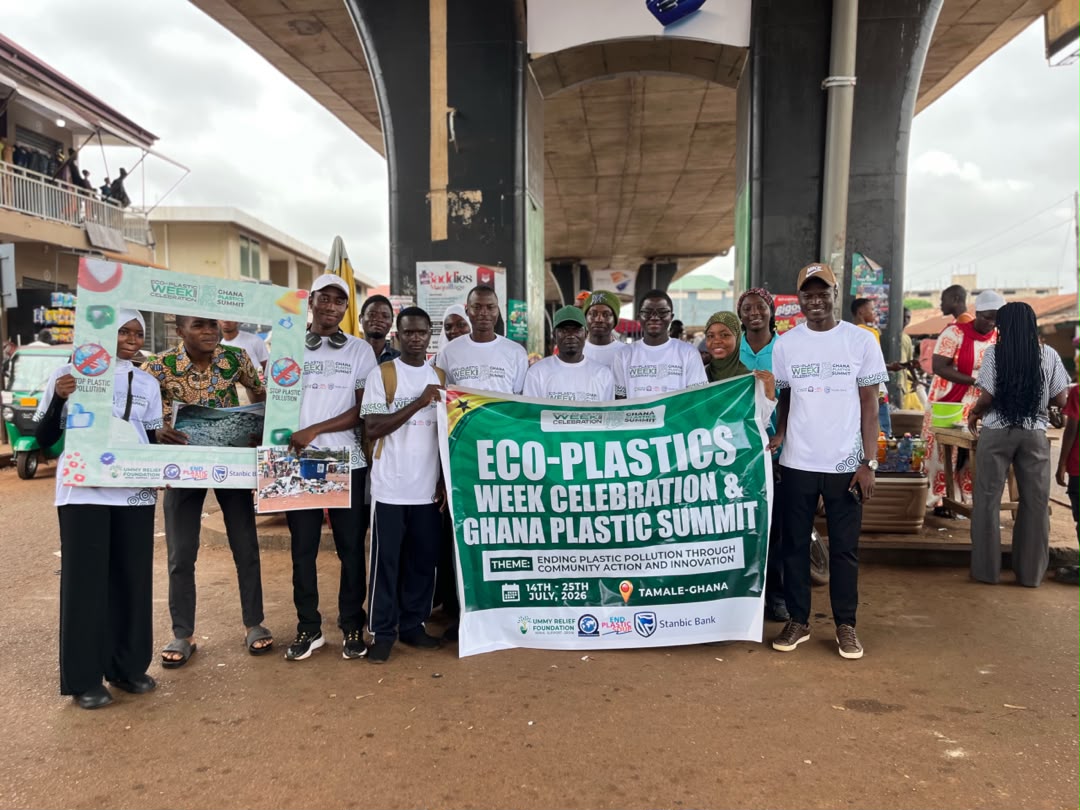
Eco Plastic Week Celebration 2026
The Eco Plastic Week Celebration is an annual programme…
Read more » October 2025 - March 2026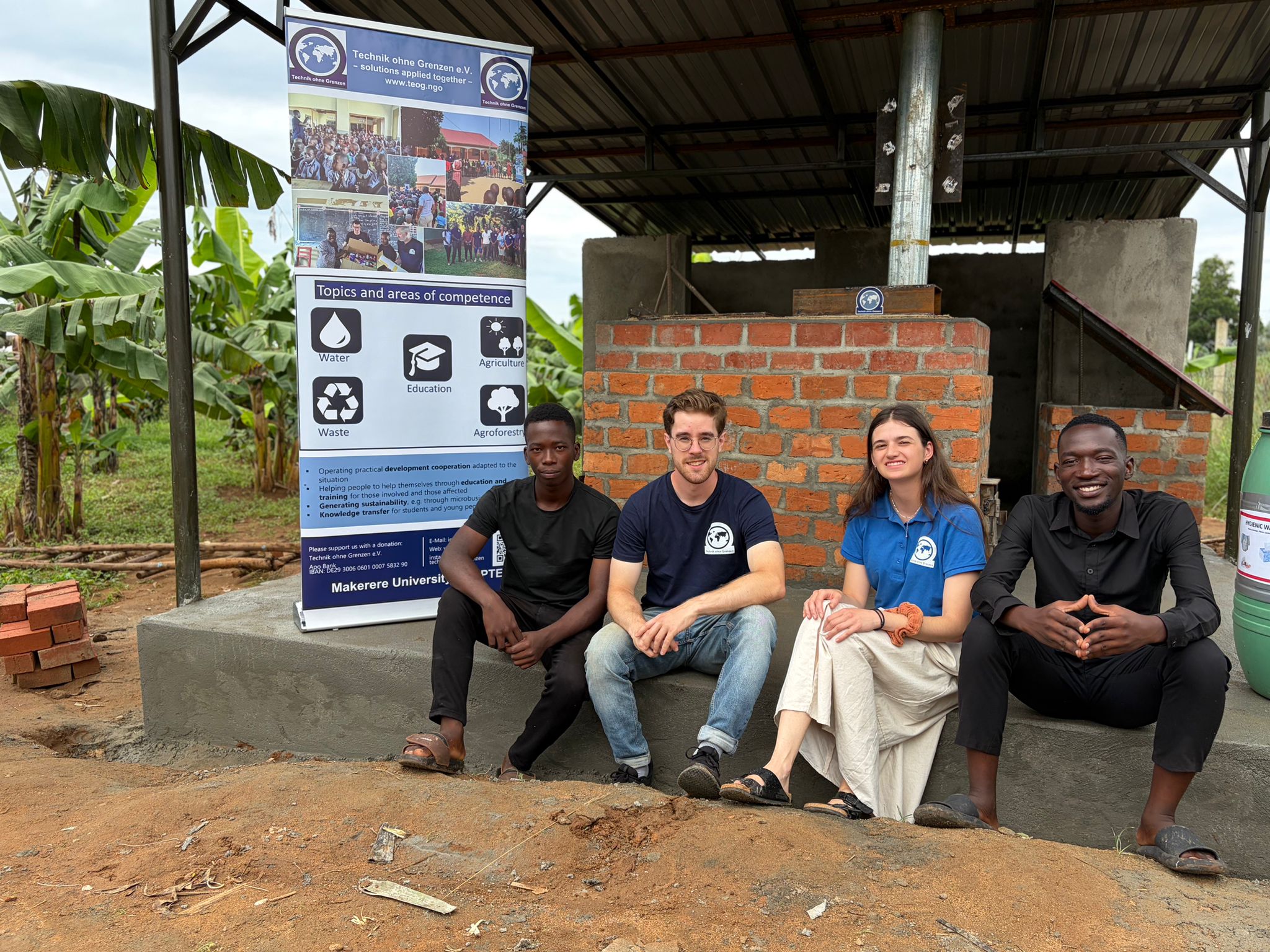
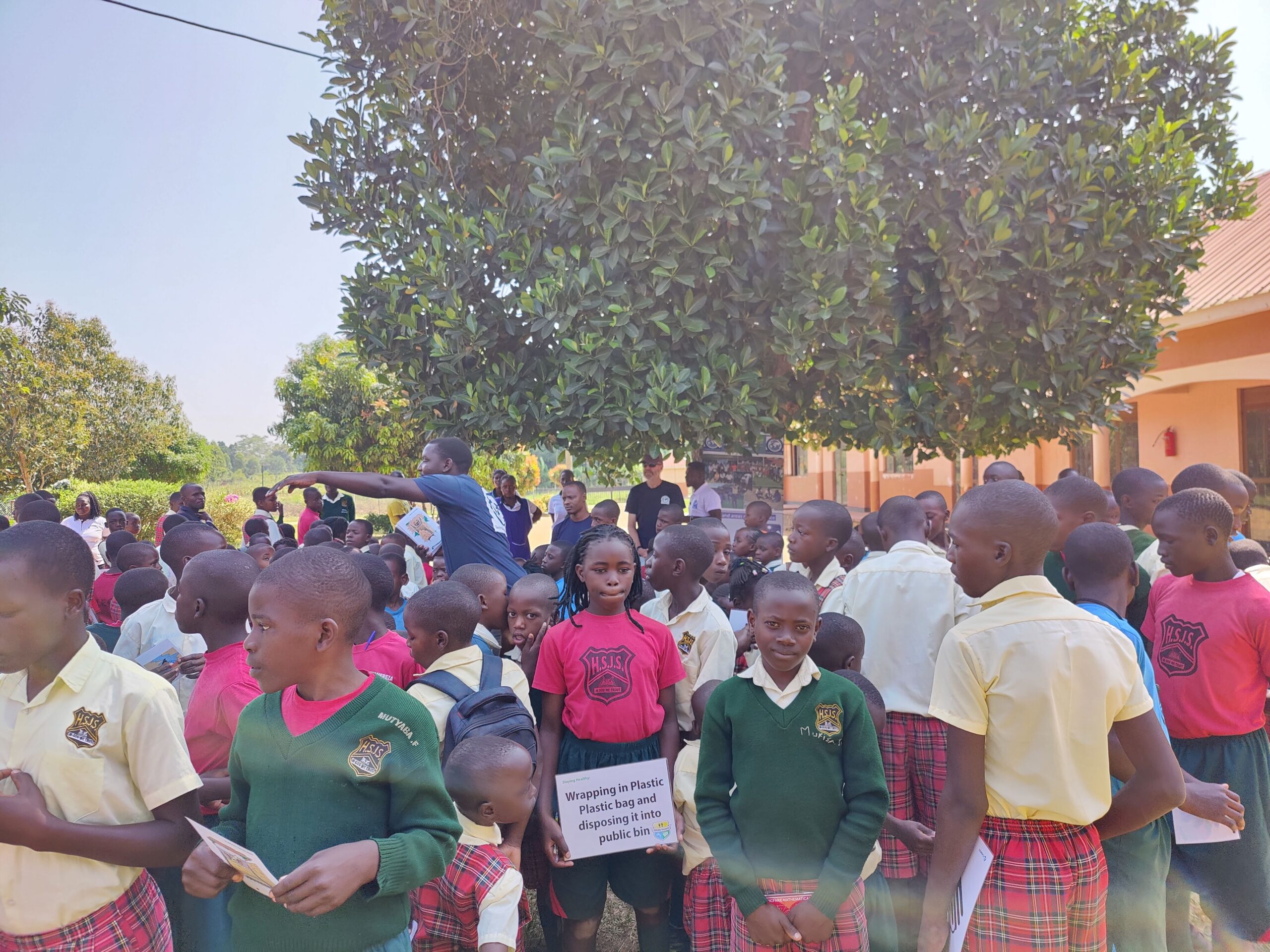
Construction of an incinerator in Bubbebere, Uganda
In February 2025, Jannik Mechau and Robert Schullan visited…
Read more » June 2024 - May 2025
Recycle Up! – Turning Plastic Waste into Opportunity for Schools in Ghana
In Ghana, plastic waste usually ends up on the…
Read more » June 2025 - June 2025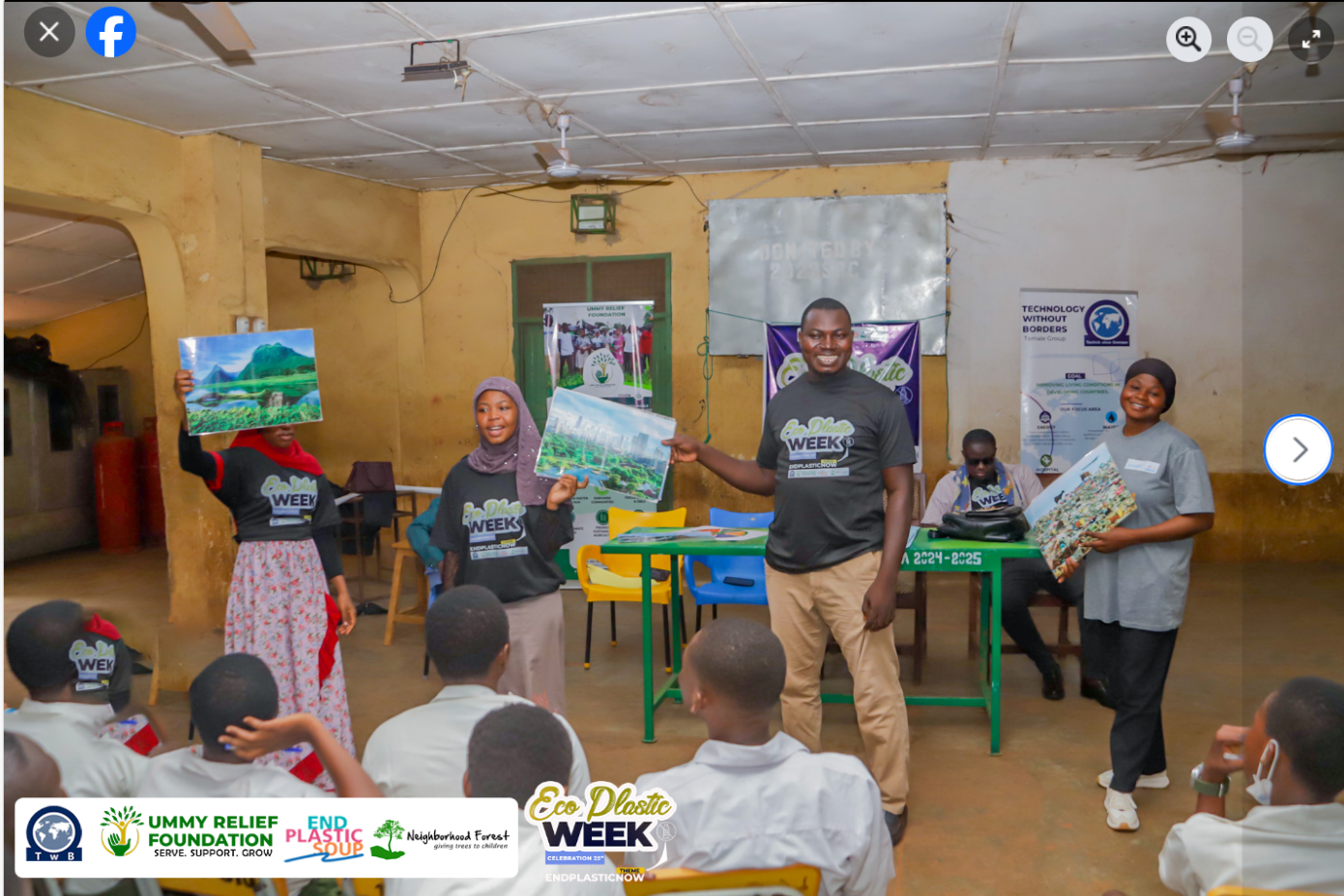 February 2025 - February 2025